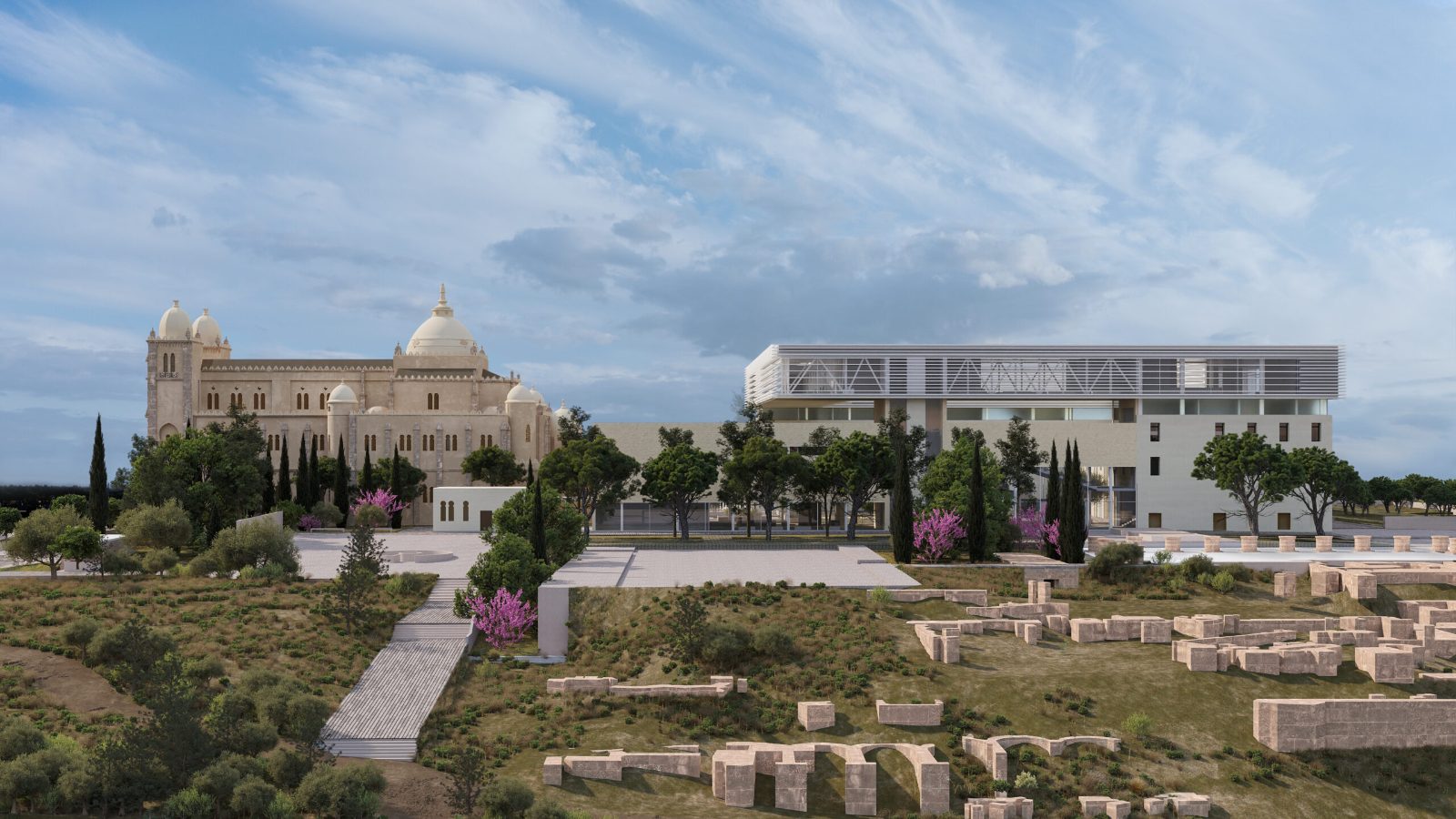
National Museum of Carthage
5 min walk
Located on Byrsa Hill, this museum provides necessary context for the surrounding ruins and archaeological sites.

Hammamet sits ninety minutes south of the capital, and most visitors staying there eventually look north toward the Punic and Roman ruins on Byrsa Hill. The question of whether that trip is a sensible one has a fairly settled answer in 2026. This page sets out the honest picture — where the real risks lie, where they do not, and how the day works in practice.
Quick answer
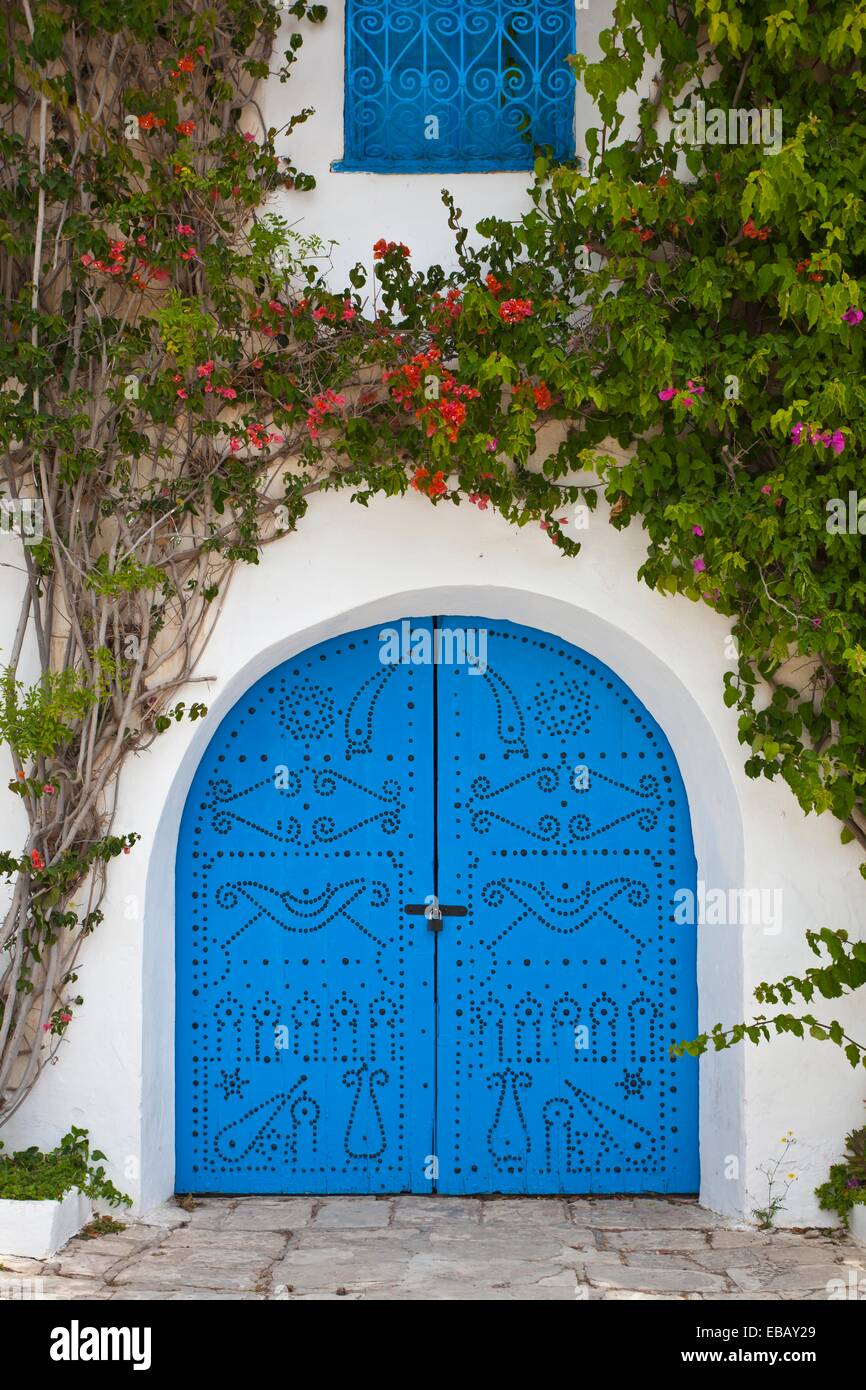
Yes — Hammamet and the standard day-trip corridor to Tunis, Carthage and Sidi Bou Said are considered safe for ordinary tourism in 2026, with petty theft and road conditions the main practical concerns rather than violence. Government advisories still flag Tunisia's remote southern and western border zones, none of which touch this route. Carthage's sites close every Monday, so plan around that.
Carthage is not one ruin but seven, scattered across a residential suburb where villas sit between Roman cisterns and Punic burial ground. The single pass sold at Byrsa Hill covers all of them, which surprises visitors who arrive expecting a fenced archaeological park and instead find themselves walking between sites along ordinary streets, past school gates and parked cars. That geography matters to the safety question, because it means the experience is less a controlled attraction than a walk through a working Tunisian neighbourhood — and neighbourhoods are where travellers form their real impressions. Anyone asking is it safe to travel to hammamet tunisia is usually weighing two different things without separating them. The first is the country-level risk picture, which foreign ministries assess in terms of terrorism and border instability. Those advisories concentrate their warnings on the Chaambi Mountains, the Algerian frontier and the desert south toward the Libyan border — regions several hundred kilometres from the coastal strip. The second is the everyday risk of being a visibly foreign visitor in a Mediterranean resort town, and here the honest answer is mundane: opportunistic pickpocketing in the Hammamet medina, occasional aggressive touting near the kasbah, and the persistent low-grade hassle of taxi drivers who prefer not to use the meter. None of that is unique to Tunisia. All of it responds to the same precautions that work in Naples or Marrakech. The corridor north follows the A1 autoroute through Grombalia and Mornag before reaching the capital, and it is the drive itself — not crime — that most seasoned visitors name as the genuine hazard. Tunisian traffic is fast, lane discipline is informal, and rural stretches carry unlit vehicles after dark. Louage shared taxis run the route cheaply but at speed. Once in the capital, the TGM light rail out to Carthage and Sidi Bou Said is heavily used by commuters and students, well policed, and unremarkable. Police presence around the Bardo, the medina of Tunis and the presidential palace at Carthage is visible and has been sustained since the security overhaul that followed the 2015 attacks. Visitors sometimes read armed checkpoints as evidence of danger; residents read them as evidence of the opposite. What this means practically is that the Tunis Carthage day trip should be planned around heat and closures rather than around threat. The archaeological sites are open-air, exposed, and unforgiving in August — the Antonine Baths, the Punic Ports and the Theatre offer almost no shade, and the recommended arrival window of 08:30–11:00 exists as much for comfort as for crowd avoidance. Carry water, a hat, and small dinars for the blue-and-white cafés along Sidi Bou Said's cobbled main street, where cash remains king. Keep a photograph of your passport rather than the document itself. Agree fares before the car moves. Read one current foreign-office advisory the week you travel, because the situational picture in North Africa shifts, and a page consulted in August may be stale by autumn. For most people the practical answer to is it safe to travel to hammamet tunisia guide questions is straightforward: the risk is ordinary, and the ruins are extraordinary.
“Visitors sometimes read armed checkpoints as evidence of danger; residents read them as evidence of the opposite.”
Navigating Hammamet, Tunis, and Carthage safely requires common sense, situational awareness, and respect for local cultural norms.
In areas outside of tourist resorts, modest attire that covers shoulders and knees is recommended to respect local customs. This approach reduces unwanted attention in traditional neighborhoods or markets.
Pickpocketing can occur in busy medinas or crowded transit hubs, so keep your bags in front of you and valuables stored securely. Use crossbody bags with zippers rather than open-top totes.
Only use licensed yellow taxis in Tunis and Hammamet, ensuring the meter is turned on at the start of your journey. If the driver refuses to use the meter, negotiate the fare before entering the vehicle.
Stay informed on local news and avoid any large gatherings or political protests, as these can escalate unexpectedly. Maintain a neutral stance if political topics arise in conversation.
Keep your accommodation's name and contact details written down in a physical format in case your phone battery dies. It is also helpful to have a local SIM card for reliable data access while navigating between sites.
The best arrival window for your trip is 08:30–11:00, as this timeframe allows you to avoid mid-day tour group crowds and peak heat for a better experience at the open-air sites. Planning your visit during these morning hours enhances both ease of travel and personal comfort throughout the day.
—
Early arrival ensures quieter exploration of Carthage and Sidi Bou Said before local traffic intensifies.
Mild, 20°C–25°C
Temperatures are comfortable for walking between archaeological sites without the intensity of summer heat.
Warm, 22°C–28°C
The climate remains stable and pleasant for day trips from Hammamet to the capital region.
Hot, 30°C+
Early morning starts are essential to mitigate high temperatures and heavy tourist volume.
Verdict: The best time to visit is Tuesday to Thursday, arriving at 08:30 in April or October.
Hammamet is situated approximately 65 kilometers southeast of Tunis. The most reliable methods for transit between these cities involve private taxis or pre-arranged vehicle transfers, which offer direct travel via the A1 motorway.
A1 Motorway directly to Tunis
A1 Motorway to Tunis city center
Direct service from Hammamet station to Tunis Nord
For visits to Carthage, the best arrival window is 08:30–11:00 to avoid mid-day tour group crowds and peak heat for better experience at the open-air sites.
The archaeological sites near Tunis and Carthage follow a consistent weekly schedule, remaining open daily with the exception of Mondays. Planning your visit outside of Monday ensures access to these historical locations.
Combining these archaeological and cultural sites allows for a cohesive route that minimizes travel time while maximizing exposure to the region's history. These locations are situated within a short distance of one another, making a multi-stop day trip from Hammamet logical and efficient.
5 min walk
Located on Byrsa Hill, this museum provides necessary context for the surrounding ruins and archaeological sites.
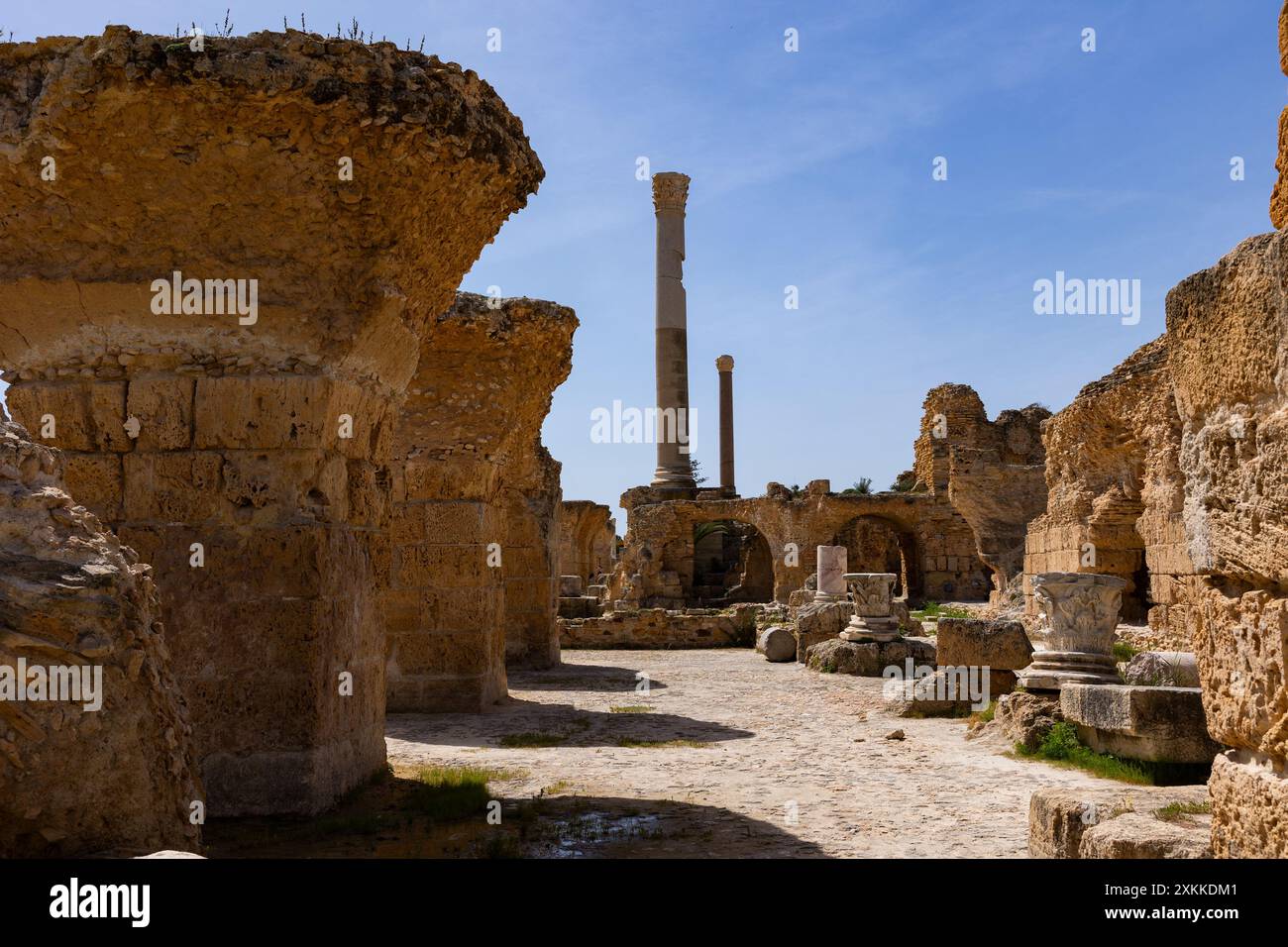
15 min walk
These seaside Roman ruins offer a clear path along the coast, connecting well with other Carthage sites.
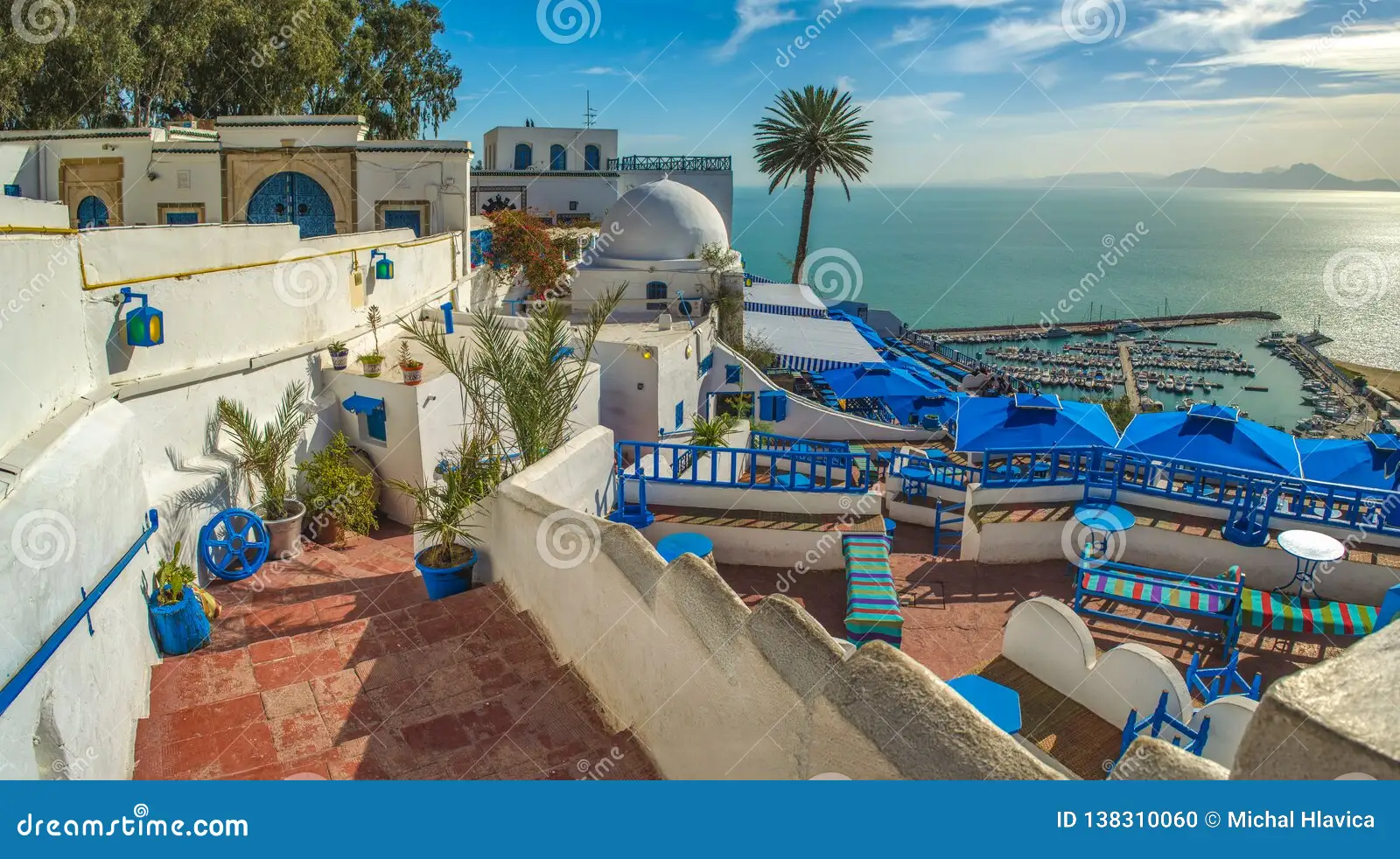
10 min drive
This hilltop town is known for its blue and white architecture and offers a contrast to the ancient sites of Carthage.
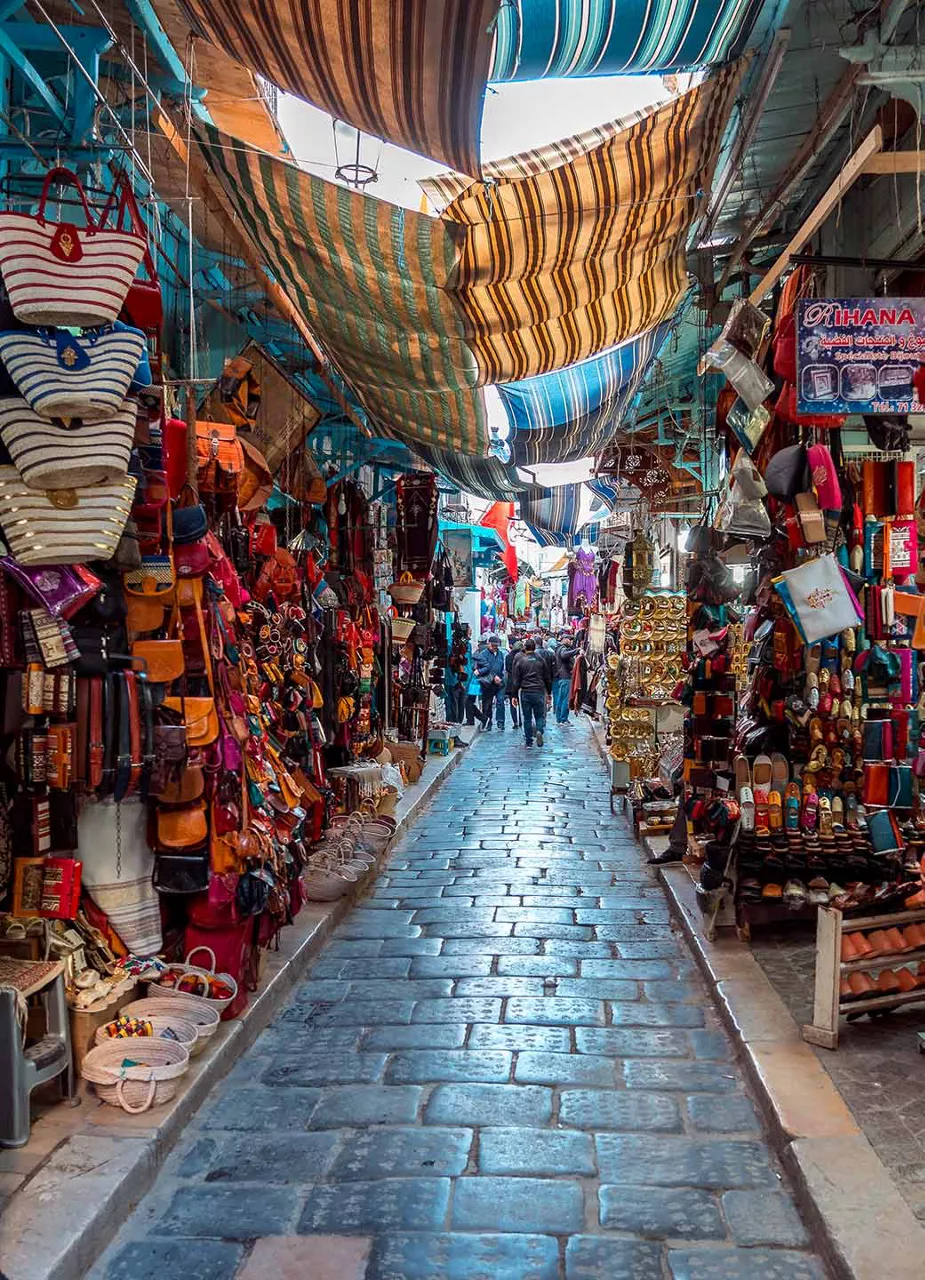
25 min drive
The historic center complements the Carthage itinerary by showcasing medieval Islamic urban planning and traditional markets.
Everything you need to know about is it safe to travel to hammamet tunisia
Travelers generally find that it is safe to travel to Hammamet Tunisia when adhering to standard travel precautions and staying informed about local conditions. Maintaining situational awareness in public areas and using reputable transportation services helps ensure a secure experience throughout your journey.
When planning your excursion, many visitors opt for guided archaeological tours to navigate Tunis, Carthage, and Sidi Bou Said efficiently. Organized transport provides a secure and structured way to explore these UNESCO heritage sites without the stress of managing local logistics.
The Carthage Multi-Site Pass for foreign visitors costs 30 TND and covers entry to all 7 archaeological sites. This pass is a convenient way to access the historic ruins while exploring the region on a day trip.
To avoid heavy crowds and peak heat, the best arrival window is 08:30–11:00. Arriving early provides a much more pleasant experience when exploring the open-air sites and Punic ruins under the summer sun.
When considering if it is safe to travel to Hammamet Tunisia, visitors should know that the coastal resorts are well-established tourist hubs. Solo travelers often enjoy the vibrant culture by sticking to well-trodden paths and utilizing organized day trip services for intercity travel.
To ensure your day trip is smooth, verify your itinerary and transport arrangements before departing from your resort. Checking local weather and road conditions helps confirm that it is safe to travel to Hammamet Tunisia and back to the capital for your sightseeing activities.