8 hr
Carthage, Sidi Bou Said & Tunis Medina Day Trip with Lunch
Full-day tour from Hammamet to Carthage's ruins, Sidi Bou Said's blue streets & Tunis Medina, lunch included.
Reserve
North along the Gulf at sunrise, home by lamplight.
Hand-picked by our editors — only the best 5 experiences from 40 reviewed.
Verified partners for every tour, free cancellation where available, and instant confirmation on every booking.
8 hr
Full-day tour from Hammamet to Carthage's ruins, Sidi Bou Said's blue streets & Tunis Medina, lunch included.
Reserve
8 hr
Full-day guided journey through Tunis's ancient medina, Bardo mosaics, Carthage ruins and Sidi Bou Said.
Reserve
8 hr
Full-day journey through Tunis' old medina, Roman Carthage and the blue-white village of Sidi Bou Said.
ReservePrices from verified partners. Availability updates in real time at checkout. Free cancellation policies apply where shown.
The landmarks, rooms, and views travelers on this tour remember — all visible on a single visit.
The largest Roman baths in Africa, featuring massive vaulted ceilings and a stunning Mediterranean backdrop. This site remains a primary stop for those on hammamet tunisia day trips
Home to the National Museum of Carthage, this elevated site offers a panoramic view of the entire bay. It serves as the historic heart of the ancient Punic city
An ancient Punic sanctuary dedicated to the deities Tanit and Baal Hammon, containing thousands of votive stelae. It provides a unique look into Punic religious practices
The remains of the sophisticated double harbor that once made Carthage the maritime powerhouse of the Mediterranean. It is a must-see for maritime history enthusiasts
An impressively restored ancient performance space that once hosted grand spectacles. It remains a beautiful example of Roman architectural legacy
Organized excursions offer stress-free convenience for those prioritizing structure, while independent travel provides the freedom to linger at the UNESCO heritage sites of Carthage at your own pace. Most travelers find that guided Hammamet Tunisia day trips tours remove the navigation burden often associated with visiting the Tunis medina.
| Feature | Top pick Organized Tours | Independent Exploration |
|---|---|---|
Logistical Planning |
Managed by operator | Self-coordinated transit |
Cost Predictability |
Fixed upfront price | Variable daily expenses |
Flexibility |
Fixed itinerary structure | High spontaneity potential |
Guide Insight |
Professional historical narration | Self-guided research required |
Navigation Complexity |
Zero effort required | High local transit reliance |
| See tickets → |
Verdict: Choose organized Hammamet Tunisia day trips tickets if you prefer a seamless itinerary, or opt for independent exploration to enjoy the flexibility of exploring the blue-and-white streets of Sidi Bou Said without a schedule.
Choose your ticket, select your date, and reserve in under two minutes. Secure checkout handled by our verified partner.
Instant confirmation by email, with a mobile voucher you can save offline. No printing, no queuing at a collection desk.
Arrive at the entrance, show your voucher on your phone, and walk in. Most tickets include priority or skip-the-line access.
Best time to go, insider tips, nearby landmarks, and the cancellation fine print — flip through to skim what matters to you.
Flexible, no hidden fees.
Full refunds are typically available if cancelled at least 24 hours before the scheduled departure time. Please check your specific tour operator's terms for details regarding the 15 TND entrance fee inclusion.
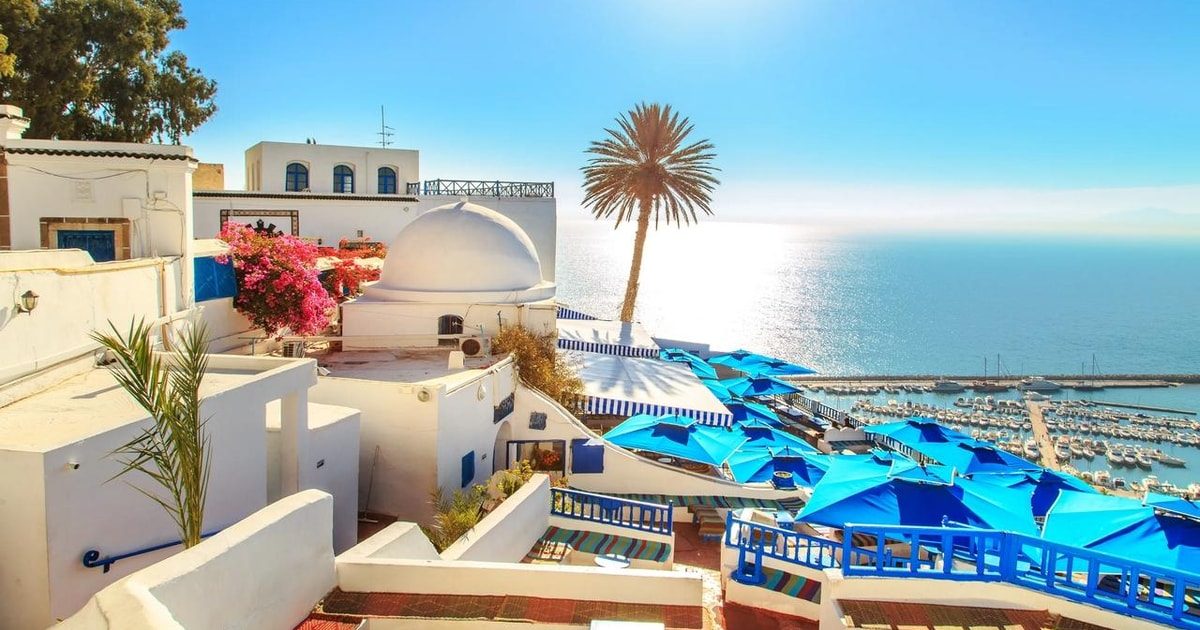
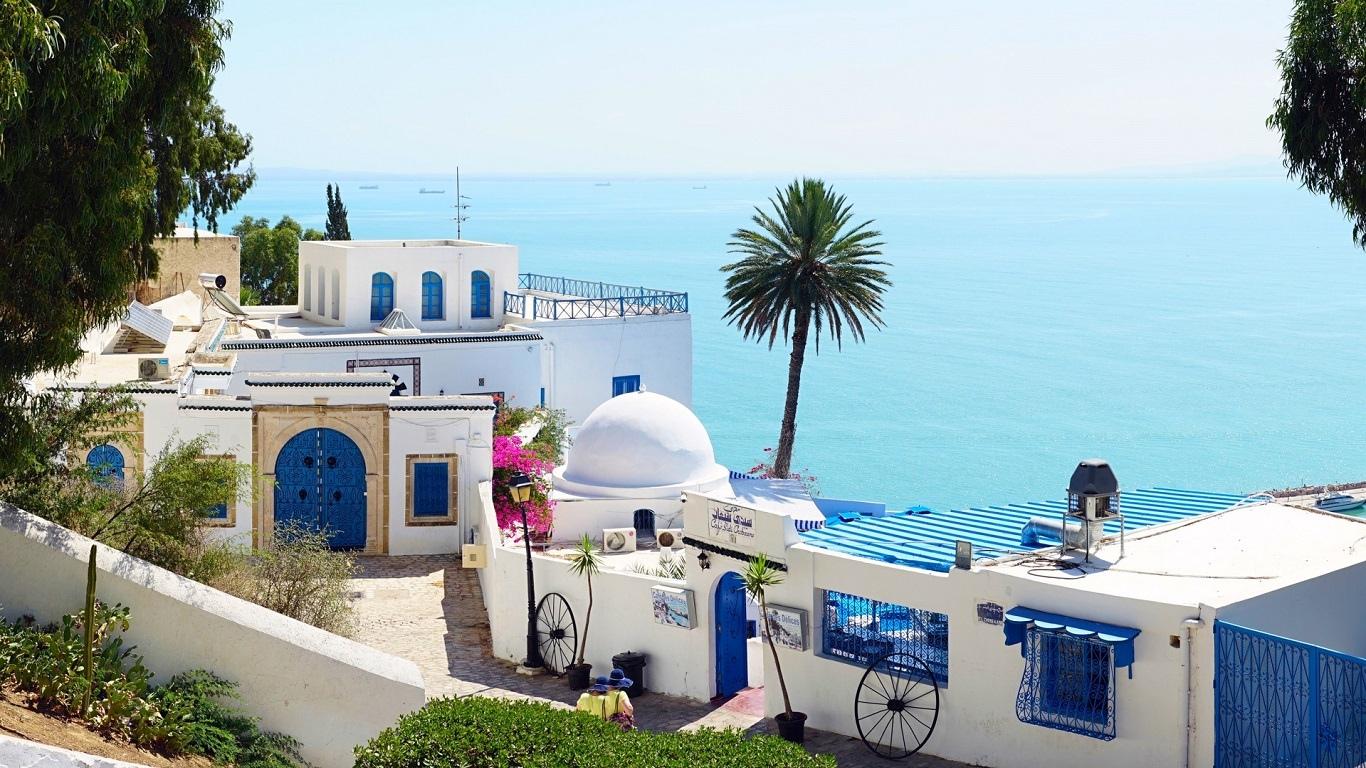
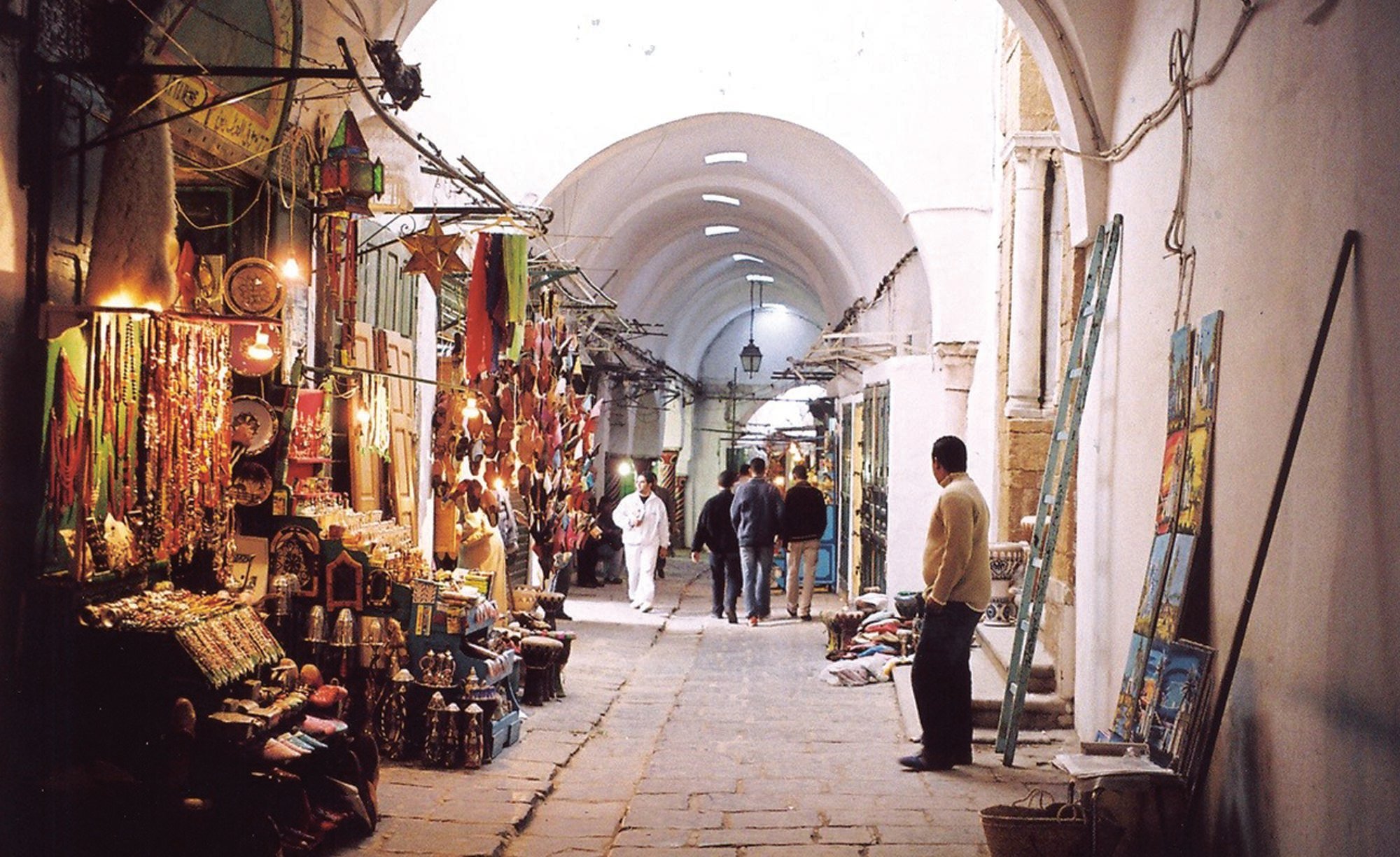
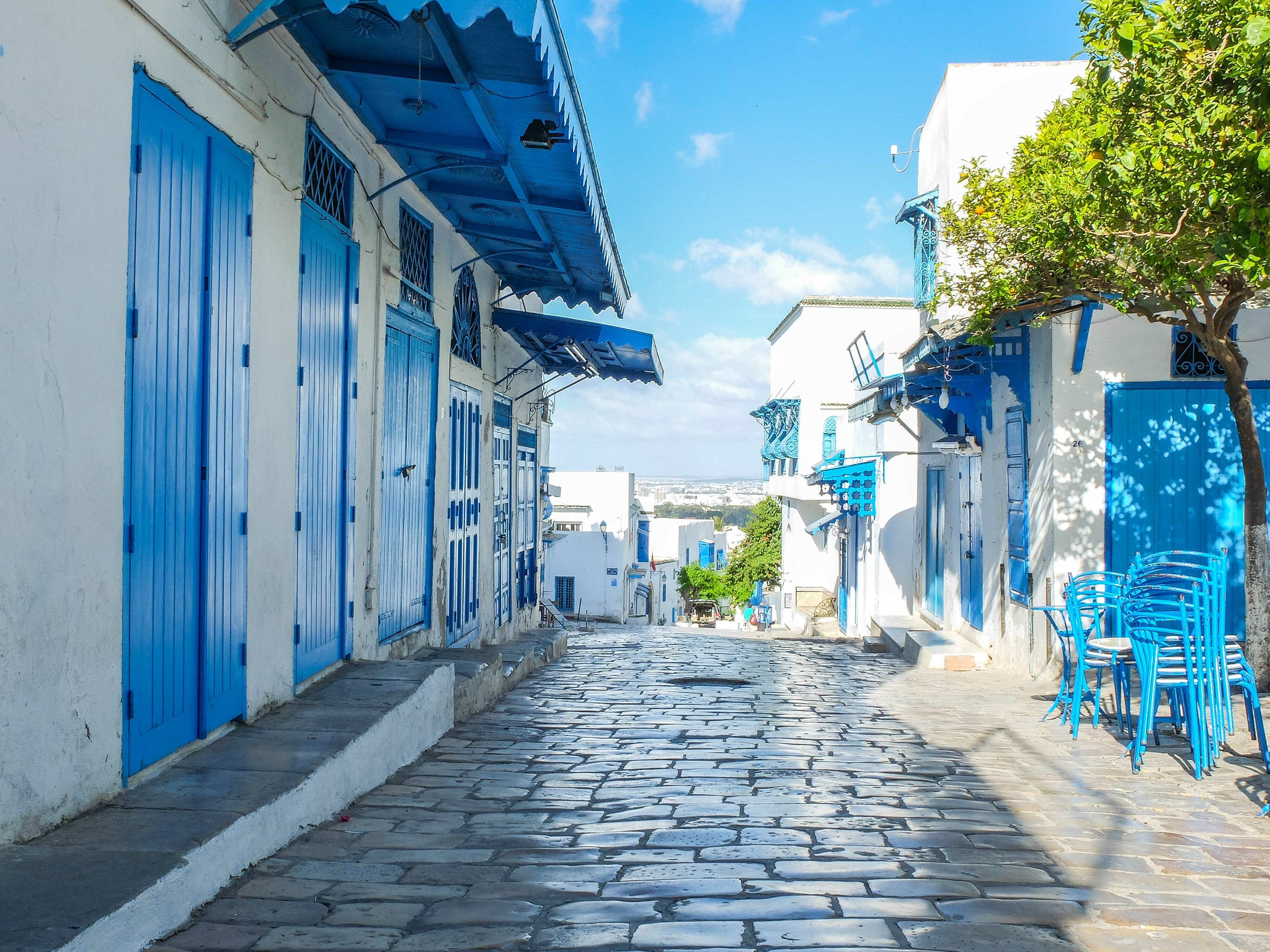
Carthage was salted into legend and then quietly rebuilt. Rome razed the Punic city in 146 BCE, yet within a century Augustus had founded a Roman colonia on the same hills, and by the second century it ranked among the largest cities of the empire. What survives today is layered rather than singular: Punic tophet stones beneath Roman cisterns, Byzantine basilicas beside Ottoman-era village walls. The modern archaeological zone spreads across roughly a dozen separate enclosures — Byrsa Hill, the Antonine Baths, the Roman theatre, the Punic ports, the Roman villas. Byrsa Hill holds the citadel where Punic Carthage made its last stand; the Antonine Baths, begun under Hadrian and completed around 162 CE, were the third-largest thermal complex in the Roman world, their surviving columns still reading the shoreline. Most travellers on hammamet tunisia day trips reach these enclosures by coach along the Gulf of Hammamet, an hour and a quarter of olive terraces and salt flats before the ruins appear. Sidi Bou Saïd, ten minutes north, is the counterweight. The cliff village owes its whitewash-and-cobalt ordinance to Baron Rodolphe d'Erlanger, who in 1912 persuaded the authorities to fix the palette; the rule has held for over a century, which is why the blue is uniform rather than picturesque accident. Below the terraces, the Bay of Tunis carries the same sightline that Punic navigators used to guide ships into the circular military harbour. The Tunis Medina, a UNESCO World Heritage site since 1979, completes the arc. Roughly 700 monuments crowd its lanes — the Zitouna Mosque, founded in 698 CE, the souks of the perfumers and the chechia-makers, the Ottoman palaces now serving as museums. The Bardo, housed in a nineteenth-century beylical palace on the western edge of the capital, holds the world's foremost collection of Roman mosaics, much of it lifted from the villas of Carthage itself. Guided Carthage tours from the coast usually string two or three of these together, which is the honest logic behind hammamet tunisia day trips: the ancient port, the blue village and the walled capital sit within thirty kilometres of one another, and none of them explains itself alone.

"Carthage is not one gated monument but a suburb with ruins embedded in it."
Photography is permitted at the outdoor ruins, though individual museums may have specific restrictions.
The sites are family-friendly, offering space for children to explore, provided they are supervised on uneven terrain.
Modest attire is advised, particularly for the surrounding town areas, with sturdy walking shoes being essential.
There are no dining facilities within the ruins, so it is recommended to bring water and snacks along.